


Πώς να Επιλέξετε το Πρώτο σας Ποδήλατο Δρόμου το 2026: Ο Πλήρης Οδηγός για Αρχάριους

Περίπου 20 λεπτά μετά την πρώτη σας σωστή ποδηλασία δρόμου, κάτι αλλάζει. Ο θόρυβος της πόλης μειώνεται. Ο δρόμος ανοίγει. Και συνειδητοποιείτε ότι το ποδήλατο κάνει κάτι που ένα βαρύ ποδήλατο μεταφοράς ή ένα δανεισμένο ποδήλατο βουνού ποτέ δεν κατάφερε — στην πραγματικότητα θέλει να πάει γρήγορα. Παρατηρείτε τα πόδια σας να εργάζονται, την αναπνοή σας να μπαίνει σε ρυθμό, και μια μικρή φωνή να ρωτά γιατί δεν το κάνατε νωρίτερα.
Για να φτάσετε σε αυτή τη στιγμή απαιτείται ένα βήμα: να επιλέξετε το σωστό ποδήλατο. Μπαίνοντας σε οποιοδήποτε κατάστημα ποδηλάτων, ο τοίχος των επιλογών μπορεί να φαίνεται πραγματικά εκφοβιστικός. Carbon ή αλουμίνιο; Δισκόφρενα ή φρένα στεφάνης; Tiagra ή 105; Γεωμετρία endurance ή αγωνιστική; Η ορολογία έρχεται γρήγορα.
Ακολουθεί η απλή εκδοχή: τι έχει πραγματικά σημασία για ένα πρώτο ποδήλατο δρόμου, τι είναι ασφαλές να αγνοήσετε, και ποια συγκεκριμένα μοντέλα αξίζει να εξετάσετε το 2026.
1. Τι Κάνει ένα Ποδήλατο Δρόμου Διαφορετικό;

Όλα σε ένα ποδήλατο δρόμου έχουν σχεδιαστεί γύρω από έναν στόχο: να σας μεταφέρουν αποτελεσματικά σε ασφαλτοστρωμένους δρόμους.
Τα καμπύλα τιμόνια σας δίνουν πολλές θέσεις χεριών. Μπορείτε να σκύψετε χαμηλά και αεροδυναμικά όταν θέλετε να πιέσετε τον ρυθμό, ή να καθίσετε άνετα στα φρένα για ώρες χωρίς τα χέρια σας να μουδιάζουν. Μετά από μια μακρά βόλτα, αυτή η ευελιξία έχει μεγαλύτερη σημασία από ό,τι ακούγεται.
Τα ελαστικά είναι πιο στενά από τα ποδήλατα βουνού — συνήθως 28–35mm σε σύγχρονα ποδήλατα — που σημαίνει λιγότερη αντίσταση κύλισης σε ομαλό οδόστρωμα. Δεν είναι τόσο ακραία όσο ήταν παλαιότερα. Η βιομηχανία εγκατέλειψε σιωπηλά το παλιό πρότυπο των 23mm μετά από έρευνες που επιβεβαίωσαν ότι ελαφρώς πιο φαρδιά ελαστικά με τη σωστή πίεση κυλούν στην πραγματικότητα πιο γρήγορα και είναι πιο άνετα. Καλά νέα για τους νέους ποδηλάτες.
Οι σκελετοί είναι ελαφριοί — συνήθως 8.5–10kg για μια πλήρη κατασκευή εισαγωγικού επιπέδου. Είναι αισθητά ελαφρύτεροι από ένα υβριδικό ή ποδήλατο μεταφοράς, και το αισθάνεστε αμέσως όταν ο δρόμος κλίνει προς τα πάνω.
2. Αλουμίνιο vs Carbon: Σταματήστε να Ανησυχείτε Γι' Αυτό
Είναι η ερώτηση που όλοι ρωτούν πρώτα. Είναι επίσης η λιγότερο σημαντική απόφαση για ένα πρώτο ποδήλατο.
Αλουμίνιο
Το σύγχρονο αλουμίνιο — συγκεκριμένα οι διπλοχτυπημένοι ή σχηματισμένοι σωλήνες — είναι ελαφρύ, άκαμπτο και πραγματικά ανθεκτικό. Συνδυάστε έναν σκελετό αλουμινίου με μια carbon πιρούνι (τυπικό ακόμα και σε ποδήλατα των $1,000 το 2026) και αποκτάτε ένα ποδήλατο που διαχειρίζεται καλά τις δονήσεις του δρόμου και ποδηλατεί με πραγματική ζωντάνια. Η φήμη ότι "το αλουμίνιο είναι σκληρό" ανήκει σε παλιούς σκελετούς με ευθείς σωλήνες. Δεν είναι ακριβής για οτιδήποτε έχει κατασκευαστεί την τελευταία δεκαετία.
Το αλουμίνιο κυριαρχεί στην κατηγορία τιμών $700–$2,000. Σε αυτές τις τιμές, συνήθως αποκτάτε καλύτερα φρένα, τροχούς και ταχύτητες σε ένα ποδήλατο αλουμινίου από ένα συγκρίσιμο ποδήλατο carbon εισαγωγικού επιπέδου — επειδή το carbon πηγαίνει στον σκελετό, κάτι άλλο κόβεται.
Carbon
Το carbon fiber είναι ελαφρύτερο και απορροφά τις δονήσεις πιο αποτελεσματικά. Οι κατασκευαστές μπορούν να το ρυθμίσουν ώστε να λυγίζει διαφορετικά σε διαφορετικές κατευθύνσεις — άκαμπτο πλευρικά για δύναμη, ευέλικτο κατακόρυφα για άνεση. Το εισαγωγικό carbon ξεκινά γύρω από $1,800–$2,000. Κάτω από αυτή την τιμή, η κατασκευή από carbon σημαίνει συμβιβασμούς σε όλα τα γύρω του.
Κάτω από $1,500: πάρε αλουμίνιο με ανθρακονημάτινη πιρούνι. Θα καταλήξεις με καλύτερα εξαρτήματα από ένα αντίστοιχου προϋπολογισμού ανθρακονημάτινο ποδήλατο και σχεδόν αδιάκριτη ποιότητα οδήγησης σε επίπεδα φυσικής κατάστασης αρχαρίων. Άφησε την αναβάθμιση σε ανθρακονήματα για το δεύτερο ποδήλατο.
3. Γεωμετρία: Η Προδιαγραφή που Πραγματικά Καθορίζει αν θα Απολαύσεις την Οδήγηση
Οι έμπειροι ποδηλάτες ασχολούνται εμμονικά με τη γεωμετρία. Οι αρχάριοι σπάνια την ακούν μέχρι να τους πονέσει κάτι. Αυτή η σειρά είναι ανάποδη.
Δύο αριθμοί έχουν τη μεγαλύτερη σημασία:
- Stack — κατακόρυφο ύψος από το κάτω στήριγμα μέχρι την κορυφή του σωλήνα του τιμονιού. Υψηλότερο stack = πιο όρθια θέση, πιο άνετη.
- Reach — οριζόντια απόσταση. Μακρύτερο reach = πιο τεντωμένη θέση, πιο αεροδυναμική, πιο απαιτητική για την πλάτη και τον κορμό σου.
| Τύπος Γεωμετρίας | Θέση | Καλύτερο για | Απόφαση |
|---|---|---|---|
| Endurance | Υψηλότερο stack, μικρότερο reach — όρθια και χαλαρή θέση | Αρχάριους, μεγάλες αποστάσεις, αναψυχή | ✅ Συνιστάται |
| Race | Χαμηλότερο stack, μακρύτερο reach — επιθετική και αεροδυναμική θέση | Έμπειρους αναβάτες με ισχυρό κορμό και ευλυγισία | ❌ Όχι για την πρώτη μέρα |
Μια πρακτική σημείωση για το μέγεθος: αν είσαι μεταξύ μεγεθών πλαισίου, πήγαινε σε μεγαλύτερο. Μπορείς να αλλάξεις το στέλεχος για να φέρεις τα τιμόνια πιο κοντά. Δεν μπορείς να διορθώσεις μια τεντωμένη θέση μόλις είσαι πάνω στο ποδήλατο — δημιουργεί δυσφορία και κίνδυνο τραυματισμού που καμία ρύθμιση δεν λύνει.
4. Ομάδες Εξαρτημάτων: Η Σκάλα της Shimano (Απλοποιημένη)
Η ομάδα εξαρτημάτων καλύπτει τα εξαρτήματα που προωθούν το ποδήλατο: σύστημα πεταλιού, ντεραγιέ, αλλαγές ταχυτήτων, φρένα, κασέτα. Η Shimano είναι κυρίαρχη στο ποδηλασία δρόμου, και η ιεραρχία τους φαίνεται έτσι:
| Ομάδα Εξαρτημάτων | Ταχύτητες | Τυπική Τιμή Ποδηλάτου | Σημειώσεις |
|---|---|---|---|
| Claris | 8-speed | Κάτω από $700 | Λειτουργικό, βασικό |
| Sora | 9-speed | $700–$900 | Καλή είσοδος |
| Tiagra | 10-speed | $900–$1,200 | Σταθερός παντού |
| 105 | 11/12-speed | $1,200–$2,000 | Συνιστώμενη γλυκιά ζώνη |
| Ultegra | 11/12-speed | $2,000–$3,500 | Περίσσεια για τους περισσότερους αρχάριους |
| Dura-Ace | 12-speed | $4,000+ | Επαγγελματικός αγώνας |
Φρένα Δισκόφρενου vs Ράβδων
Υδραυλικά δισκόφρενα είναι το πρότυπο πάνω από $1,000 τώρα. Καλύτερη δύναμη φρεναρίσματος, καλύτερη αίσθηση σε βρεγμένες συνθήκες, συνεπής ρύθμιση ανεξαρτήτως επιφάνειας ράβδου. Πήγαινε σε δισκόφρενα. Και αν συγκρίνεις ποδήλατα σε παρόμοιες τιμές, υδραυλικά αντί μηχανικά δισκόφρενα κάθε φορά — η διαφορά στην αίσθηση του μοχλού είναι άμεσα αισθητή.
5. Ελαστικά: Πιο Φαρδιά Είναι Καλά, Στην Πραγματικότητα
Το πρότυπο ελαστικού 23mm είναι νεκρό. Τα σύγχρονα ποδήλατα δρόμου τρέχουν άνετα 28–35mm, και η επιστήμη υποστηρίζει αυτή την κίνηση. Πιο φαρδιά ελαστικά με τη σωστή πίεση έχουν χαμηλότερη αντίσταση κύλισης σε πραγματικούς δρόμους, απορροφούν καλύτερα τις δονήσεις και παρέχουν περισσότερη πρόσφυση στις στροφές.
Ψάξε για τουλάχιστον 30–32mm απόσταση ελαστικού στο πρώτο σου ποδήλατο. Τα περισσότερα ποδήλατα endurance δρόμου το 2026 υποστηρίζουν 32–35mm. Αυτό σου δίνει χώρο να τρέξεις πιο φαρδιά, πιο άνετα ελαστικά σε ανώμαλους δρόμους και πιο στενά ελαστικά όταν θέλεις να πας πιο γρήγορα σε πιο ομαλές διαδρομές.
6. Ο Πραγματικός Προϋπολογισμός: Όχι Μόνο το Ποδήλατο
Εδώ είναι που οι πρώτοι αγοραστές συχνά υπολογίζουν λάθος. Η τιμή του ποδηλάτου είναι μόνο ένα μέρος αυτού που χρειάζεσαι για να οδηγήσεις πραγματικά.
| Στοιχείο | Τιμή (USD) |
|---|---|
| Ποδήλατο δρόμου | $950–$1,500 |
| Κράνος | $80–$200 |
| Παπούτσια ποδηλασίας | $80–$150 |
| Πετάλια χωρίς κλιπ | $40–$100 |
| Φανέλα + σορτς | $100–$200 |
| Αντλία δαπέδου | $40–$70 |
| Τσάντα σέλας + CO₂ | $25–$40 |
| Μπροστινές + πίσω λάμπες | $40–$80 |
| Συνολική τιμή | $1,355–$2,340 |
Κατασκευάστε τον πλήρη αριθμό πριν αποφασίσετε για τον προϋπολογισμό σας για ποδήλατο. Στα clipless πετάλια: δεν χρειάζεται να ξεκινήσετε με αυτά. Τα πετάλια πλατφόρμας λειτουργούν καλά για τους πρώτους μήνες — όταν είστε έτοιμοι να κλειδώσετε, προσθέστε το στο σχέδιο.
7. Τα Καλύτερα Ποδήλατα Δρόμου για Αρχάριους το 2026

Πέντε ποδήλατα που αξίζει να εξετάσετε σοβαρά. Κάθε ένα έχει επιλεγεί για τη γεωμετρία αντοχής, την αξία στην τιμή του και την συνεπή απόδοση από ανεξάρτητες δοκιμές.
1. Giant Contend AR 3
~$950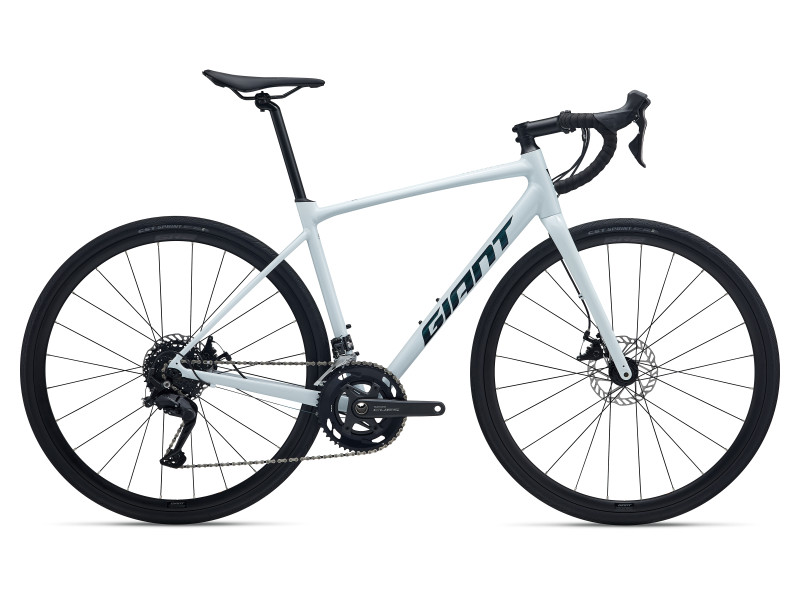
Η Giant έχει έδρα την Ταϊβάν και διαθέτει πλεονέκτημα στην παραγωγή που μεταφράζεται άμεσα σε τιμές. Το Contend AR 3 είναι ένα από τα καλύτερα ποδήλατα δρόμου σε αξία που μπορείτε να αγοράσετε οπουδήποτε — και στην Ταϊβάν, οι τοπικές τιμές συχνά ξεπερνούν την διεθνή MSRP.
Προδιαγραφές: ALUXX αλουμίνιο, ανθρακονήματα πιρούνι, Shimano CUES 2×9, μηχανικό δισκόφρενο, 38mm μέγιστη απόσταση ελαστικού, βάσεις φτερού.
2. Trek Domane AL 2 Gen 4
$1,199Η πλατφόρμα αντοχής της Trek είναι μια προτεινόμενη επιλογή για αρχάριους εδώ και χρόνια. Η ενημέρωση Gen 4 πρόσθεσε σύγχρονα άξονες και καθάρισε τη διαδρομή των καλωδίων σε μια ήδη αποδεδειγμένη βάση. Η γεωμετρία έχει σχεδιαστεί ρητά για άνεση σε μεγάλες αποστάσεις — υψηλή στοίβα, χαλαρός προσανατολισμός, συγχωρητική.
Προδιαγραφές: 100 Series Alpha αλουμίνιο, ανθρακονήματα πιρούνι, Shimano Claris 2×8, μηχανικό δισκόφρενο, 32mm απόσταση ελαστικού, βάσεις για ράγες + φτερά.
3. Cannondale Synapse AL 2
$1,199Το SmartForm αλουμίνιο της Cannondale είναι πραγματικά καλό υλικό, και η γεωμετρία Synapse έχει σχεδιαστεί ειδικά για ποδηλασία αντοχής. Αυτό που το ξεχωρίζει σε αυτή την τιμή: υδραυλικά δισκόφρενα, τα οποία οι περισσότεροι ανταγωνιστές στα $1,199 δεν περιλαμβάνουν.
Προδιαγραφές: SmartForm αλουμίνιο, πλήρες ανθρακονήματα πιρούνι, Shimano Sora 2×9, υδραυλικό δισκόφρενο, 35mm απόσταση ελαστικού.
4. Merida Scultura Endurance 400
~$1,400Όπως η Giant, η Merida έχει έδρα την Ταϊβάν με ισχυρό δίκτυο αντιπροσώπων σε όλη τη χώρα και ανταγωνιστικές τοπικές τιμές. Το Scultura Endurance χτυπά μια χρήσιμη μέση γραμμή: εξαρτήματα Tiagra σε τιμή που δεν φτάνει στην premium κατηγορία.
Προδιαγραφές: Αλουμινένιο πλαίσιο, ανθρακονήματα πιρούνι, Shimano Tiagra 2×10, μηχανικό δισκόφρενο, 32mm απόσταση ελαστικού.
5. Specialized Allez
$1,599Το Allez είναι μια εξαίρεση στην αγορά αλουμινίου. Το πλαίσιο E5 είναι πραγματικά ελαφρύ — περίπου 1,375g — και η Specialized έχει εξελίξει αυτή την πλατφόρμα εδώ και δεκαετίες. Η ποιότητα οδήγησης είναι πιο κοντά σε ανθρακονήματα από ό,τι θα περιμένατε από την τιμή.
Προδιαγραφές: E5 Premium Αλουμίνιο, πλήρες ανθρακονήματα πιρούνι, Shimano CUES υδραυλικό δισκόφρενο, 30mm ελαστικά, οπές φτερού.
8. Ρύθμιση Ποδηλάτου: Η Επένδυση που Αλλάζει Τα Πάντα

Κάθε ποδηλατική δημοσίευση προτείνει επαγγελματική ρύθμιση ποδηλάτου. Σχεδόν κάθε αρχάριος την παραλείπει. Έπειτα, περνούν τρεις μήνες ποδηλατώντας με πόνο στους ώμους και μουδιασμένα χέρια μέχρι να τους πει κάποιος ότι η σέλα τους είναι λάθος και η απόσταση είναι πολύ μεγάλη.
Μια επαγγελματική ρύθμιση κοστίζει $100–$200 και διαρκεί περίπου 90 λεπτά. Ένας ρυθμιστής παρακολουθεί την οδήγησή σας, αξιολογεί την ευλυγισία σας και ρυθμίζει το ύψος της σέλας, τη θέση της σέλας μπροστά-πίσω, το ύψος του τιμονιού, το μήκος του λαιμού και την ευθυγράμμιση των παπουτσιών μέχρι το σώμα σας και το ποδήλατο να συνεργάζονται.
Τι συμβαίνει πραγματικά κατά τη διάρκεια μιας ρύθμισης:
- Έλεγχος ευλυγισίας και κινητικότητας (γοφούς, δικέφαλους, πλάτη)
- Μετρήσεις σώματος (μήκος ποδιού, κορμός, εμβέλεια χεριών)
- Υπολογισμός βασικής ύψους σέλας
- Ανάλυση βίντεο κατά την οδήγηση σε προπονητή
- Επαναλαμβανόμενες ρυθμίσεις μέχρι η θέση να φαίνεται σωστή
- Γραπτή καταγραφή των τελικών ρυθμίσεών σας
9. Πέντε Λάθη που Κάνει Κάθε Νέος Ποδηλάτης Δρόμου
- Επιλέγοντας γεωμετρία αγώνα επειδή φαίνεται πιο γρήγορη. Η γεωμετρία αγώνα απαιτεί ευλυγισία και δύναμη κορμού που οι περισσότεροι άνθρωποι δεν έχουν την πρώτη μέρα. Η γεωμετρία αντοχής σας κάνει έναν ποδηλάτη που συνεχίζει να πηγαίνει.
- Μη δοκιμάζοντας πριν την αγορά. Κάθε ποδήλατο έχει διαφορετική αίσθηση. Η γεωμετρία, η σέλα, το πλάτος του τιμονιού — πρέπει να καθίσετε πάνω του και να το οδηγήσετε, όχι απλώς να διαβάσετε τα φύλλα προδιαγραφών. Οδηγήστε δύο ή τρία ποδήλατα σε διαφορετικά καταστήματα πριν αποφασίσετε.
- Υποεκτίμηση του συνολικού κόστους. Ένα "$1,000 ποδήλατο" είναι στην πραγματικότητα μια δέσμευση $1,400–$1,800 όταν υπολογίσετε το κράνος, τα παπούτσια, τον εξοπλισμό, την αντλία και τα φώτα. Δημιουργήστε τον πλήρη προϋπολογισμό εκ των προτέρων.
- Μείωση μεγέθους λόγω άγχους ύψους στήριξης. Η σύγχρονη γεωμετρία πλαισίου σημαίνει ότι η απόσταση στήριξης σπάνια είναι ο περιοριστικός παράγοντας — η εμβέλεια είναι. Ένα πλαίσιο που είναι πολύ μικρό σας αναγκάζει σε μια περιορισμένη, αναποτελεσματική θέση που καμία ρύθμιση σέλας δεν διορθώνει.
- Αγορά διαδικτυακά για να εξοικονομήσετε $50, παραλείποντας το τοπικό κατάστημα. Το κατάστημα ποδηλάτων σας κάνει την πρώτη δωρεάν ρύθμιση, διορθώνει τον ήχο κλικ που δεν μπορείτε να διαγνώσετε, ρυθμίζει τις ταχύτητές σας όταν η τέντωμα καλωδίων τις απορρυθμίζει και γνωρίζει ποιες ελαστικά λειτουργούν στους τοπικούς δρόμους. Ιδιαίτερα στην Ταϊβάν όπου οι Giant και Merida έχουν πραγματική υποδομή εξυπηρέτησης — χρησιμοποιήστε την.
Η Σύντομη Έκδοση
Επιλέξτε γεωμετρία αντοχής σε αλουμίνιο με ανθρακονημάτινη πιρούνι. Στοχεύστε Shimano Tiagra ή 105 αν το προϋπολογιστικό σας επιτρέπει. Βεβαιωθείτε ότι έχετε . Προϋπολογίστε $1,400–$1,800 συνολικά συμπεριλαμβανομένου του εξοπλισμού. Δοκιμάστε τουλάχιστον δύο ποδήλατα.
Στην Ταϊβάν, ξεκινήστε με το Giant Contend AR 3 ή Merida Scultura Endurance στον πλησιέστερο αντιπρόσωπό σας. Και τα δύο κατασκευάζονται εδώ, έχουν ανταγωνιστικές τιμές τοπικά και υποστηρίζονται από σωστά δίκτυα εξυπηρέτησης.
Το καλύτερο ποδήλατο δρόμου δεν είναι το πιο ακριβό στον τοίχο. Είναι αυτό που ταιριάζει, που σας κάνει να αισθάνεστε καλά και που θα το πάρετε πραγματικά μια Κυριακή το πρωί όταν οι δρόμοι είναι ήσυχοι.
Οδηγήστε με το RydeCruz — επιδόσεις ποδηλατικών μπλούζων από αναπνεύσιμο ύφασμα Bamboo BreathTech, δωρεάν αποστολή παγκοσμίως.


