


Kuinka Valita Ensimmäinen Maantiepyöräsi Vuonna 2026: Täydellinen Aloittelijan Opas

Kun olet ajanut noin 20 minuuttia ensimmäisellä kunnollisella maantieajollasi, jokin muuttuu. Kaupungin melu vaimenee. Tie avautuu. Ja huomaat, että pyörä tekee jotain, mitä raskas työmatkapyörä tai lainattu maastopyörä ei koskaan oikein onnistunut — se todella haluaa mennä nopeasti. Huomaat jalkojesi työskentelevän, hengityksesi asettuvan rytmiin ja pienen äänen kysyvän, miksi et tehnyt tätä aikaisemmin.
Tuohon hetkeen pääseminen vaatii yhden askeleen: oikean pyörän valitsemisen. Kävele mihin tahansa pyöräliikkeeseen, ja vaihtoehtojen seinämä voi tuntua aidosti pelottavalta. Hiili vai alumiini? Levyjarrut vai vannejarrut? Tiagra vai 105? Kestävyys- vai kilpailugeometria? Jargon iskee nopeasti.
Tässä on yksinkertainen versio: mitä oikeasti on tärkeää ensimmäisessä maantiepyörässä, mitä on turvallista jättää huomiotta ja mitkä erityiset mallit ovat tutustumisen arvoisia vuonna 2026.
1. Mikä Tekee Maantiepyörästä Eri?

Kaikki maantiepyörässä on suunniteltu yhden tavoitteen ympärille: liikkumaan tehokkaasti päällystetyillä teillä.
Alasvetojarrut tarjoavat useita käsiasentoja. Voit painaa alas ja olla aerodynaaminen, kun haluat lisätä vauhtia, tai istua mukavasti jarrukahvojen päällä tuntikausia ilman, että kätesi puutuvat. Pitkän ajon jälkeen tuo joustavuus merkitsee enemmän kuin miltä se kuulostaa.
Renkaat ovat kapeampia kuin maastopyörissä — tyypillisesti 28–35mm moderneissa pyörissä — mikä tarkoittaa vähemmän vierintävastusta sileällä asfaltilla. Ne eivät ole yhtä äärimmäisiä kuin ennen. Teollisuus hylkäsi hiljaa vanhan 23mm standardin sen jälkeen, kun tutkimukset vahvistivat, että hieman leveämmät renkaat oikealla paineella rullaavat itse asiassa nopeammin ja tuntuvat mukavammilta. Hyviä uutisia uusille pyöräilijöille.
Kehykset ovat kevyitä — yleensä 8.5–10kg täydelle aloitustason rakenteelle. Huomattavasti kevyempi kuin hybridi tai työmatkapyörä, ja tunnet sen heti, kun tie kallistuu ylöspäin.
2. Alumiini vs Hiili: Lopeta Huolehtiminen Tästä
Se on kysymys, jonka kaikki kysyvät ensin. Se on myös vähiten tärkeä päätös ensimmäisessä pyörässä.
Alumiini
Moderni alumiini — erityisesti kaksoispaksu tai muotoiltu putki — on kevyt, jäykkä ja todella kestävä. Yhdistä alumiinikehys hiilikuituhaarukkaan (standardi jopa 1,000 dollarin pyörissä vuonna 2026), ja saat pyörän, joka käsittelee tien tärinää hyvin ja kulkee aidolla elinvoimalla. "Alumiini on kova" -maine kuuluu vanhoille suoraan putkikehyksille. Se ei pidä paikkaansa viimeisen vuosikymmenen aikana valmistetuille.
Alumiini hallitsee 700–2,000 dollarin hintaluokkaa. Näissä hinnoissa saat tyypillisesti paremmat jarrut, pyörät ja vaihteet alumiinipyörässä kuin vastaavasti hinnoitellussa aloitustason hiilikuituvaihtoehdossa — koska hiili menee kehykseen, jotain muuta on karsittava.
Hiili
Hiilikuitu on kevyempää ja vaimentaa tärinää tehokkaammin. Valmistajat voivat säätää sitä taipumaan eri suuntiin — jäykkä vaakasuunnassa voimaa varten, joustava pystysuunnassa mukavuutta varten. Aloitustason hiilikuitupyörät alkavat noin 1,800–2,000 dollarista. Alle tuon hinnan hiilirakenteet tarkoittavat kompromisseja kaikessa ympärillään.
Alle $1,500: hanki alumiininen runko hiilikuituhaarukalla. Saat paremmat komponentit kuin vastaavalla budjetilla varustetussa hiilikuitupyörässä ja käytännössä erottamattoman ajotuntuman aloittelijan kuntotasolla. Säästä hiilikuitupäivitys toiselle pyörälle.
3. Geometria: Spesifikaatio, joka todella määrittää, nautitko ajamisesta
Kokenut pyöräilijä on huolissaan geometriasta. Aloittelijat kuulevat siitä harvoin ennen kuin jokin alkaa sattua. Tämä järjestys on väärä.
Kaksi numeroa ovat tärkeimpiä:
- Stack — pystysuora korkeus alarungosta ohjaustankoon. Korkeampi stack = pystympi, mukavampi.
- Reach — vaakasuora etäisyys. Pidempi reach = enemmän venytetty, aerodynaamisempi, vaativampi selälle ja keskivartalolle.
| Geometria Tyyppi | Sijainti | Paras | Tuomio |
|---|---|---|---|
| Kestävyys | Korkeampi stack, lyhyempi reach — pystyasento ja rento | Aloittelijat, pitkän matkan, vapaa-ajan | ✅ Suositeltava |
| Kilpa | Matalampi stack, pidempi reach — aggressiivinen ja aero | Kokenut ajajat, joilla on vahva keskivartalo ja joustavuus | ❌ Ei ensimmäiselle päivälle |
Yksi käytännön kokovihje: jos olet kahden rungon koon välissä, valitse suurempi. Voit vaihtaa stemmiä tuodaksesi ohjaustangon lähemmäksi. Et voi korjata venytettyä asentoa, kun olet pyörässä — se aiheuttaa epämukavuutta ja loukkaantumisriskin, jota mikään säätö ei ratkaise.
4. Vaihteistot: Shimano Portaat (Yksinkertaistettuna)
Vaihteisto kattaa komponentit, jotka liikuttavat pyörää: kampisarja, vaihteet, vaihdevivut, jarrut, kasetti. Shimano on hallitseva merkki maantiepyöräilyssä, ja heidän hierarkiansa näyttää tältä:
| Vaihteisto | Vaihdetta | Tyypillinen pyörän hinta | Huomautukset |
|---|---|---|---|
| Claris | 8-vaihteinen | Alle $700 | Toimiva, perus |
| Sora | 9-vaihteinen | $700–$900 | Hyvä aloituspiste |
| Tiagra | 10-vaihteinen | $900–$1,200 | Vankka yleispelaaja |
| 105 | 11/12-vaihteinen | $1,200–$2,000 | Suositeltava makea paikka |
| Ultegra | 11/12-vaihteinen | $2,000–$3,500 | Liikaa useimmille aloittelijoille |
| Dura-Ace | 12-vaihteinen | $4,000+ | Ammattikilpailu |
Levy- vs. vannejarrut
Hydrauliset levyjarrut ovat nyt standardi yli $1,000 pyörissä. Parempi jarruvoima, parempi tuntuma märissä olosuhteissa, johdonmukainen modulaatio riippumatta vanteen pinnasta. Valitse levyjarrut. Ja jos vertaat pyöriä samassa hintaluokassa, hydrauliset levyjarrut mekaanisten yli joka kerta — vivun tuntumaero on heti havaittavissa.
5. Renkaat: Leveämmät ovat itse asiassa hyviä
23 mm rengasstandardi on kuollut. Modernit maantiepyörät toimivat mukavasti 28–35 mm renkailla, ja tiede tukee tätä siirtoa. Leveämmät renkaat oikealla paineella tarjoavat alhaisempaa vierintävastusta todellisilla teillä, vaimentavat tärinää paremmin ja tarjoavat enemmän pitoa mutkissa.
Etsi vähintään 30–32 mm rengastilaa ensimmäisessä pyörässäsi. Useimmat kestävyysmaantiepyörät vuonna 2026 mahtuvat 32–35 mm. Tämä antaa sinulle tilaa käyttää leveämpiä, mukavampia renkaita karheilla teillä ja kapeampia renkaita, kun haluat mennä nopeammin sileämmillä reiteillä.
6. Todellinen budjetti: Ei vain pyörä
Tässä kohtaa ensimmäiset ostajat usein laskevat väärin. Pyörän hinta on vain osa siitä, mitä tarvitset oikeasti ajaaksesi.
| Tuote | Hinta (USD) |
|---|---|
| Maantiepyörä | $950–$1,500 |
| Kypärä | $80–$200 |
| Pyöräilykengät | $80–$150 |
| Clipless-pedalit | $40–$100 |
| Paidat + shortsit | $100–$200 |
| Lattiajousi | $40–$70 |
| Satulan laukku + CO₂ | $25–$40 |
| Etu- + takavalot | $40–$80 |
| Kokonaiskustannus | $1,355–$2,340 |
Laske kokonaisbudjetti ennen kuin päätät pyöräbudjetista. Klipsipedaaleista: sinun ei tarvitse aloittaa niiden kanssa. Alustapedaalit toimivat hyvin ensimmäiset muutamat kuukaudet — kun olet valmis klipsaamaan, lisää se suunnitelmaan.
7. Parhaat aloittelijan maantiepyörät vuonna 2026

Viisi pyörää, joita kannattaa tarkastella vakavasti. Jokainen on valittu kestävyysgeometrian, hintaluokan arvon ja johdonmukaisen testauksen perusteella.
1. Giant Contend AR 3
~$950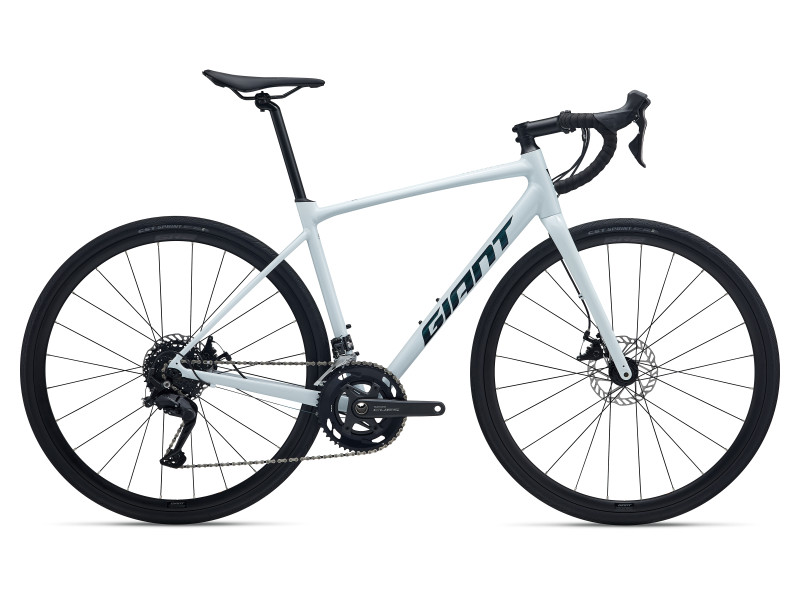
Giantin pääkonttori sijaitsee Taiwanissa, ja sillä on valmistusetu, joka heijastuu suoraan hinnoitteluun. Contend AR 3 on yksi parhaista hinta-laatusuhteeltaan olevista maantiepyöristä, joita voit ostaa mistä tahansa — ja Taiwanissa paikalliset hinnat ovat usein edullisempia kuin kansainvälinen MSRP.
Tekniset tiedot: ALUXX-alumiini, hiilikuituhaarukka, Shimano CUES 2×9, mekaaninen levyjarru, 38 mm maksimi rengasväli, lokasuojakiinnikkeet.
2. Trek Domane AL 2 Gen 4
$1,199Trekkiin kestävyysalustaan on ollut suositus aloittelijoille jo vuosia. Gen 4 -päivitys lisäsi moderneja läpiakseliratkaisuja ja paransi kaapelien reititystä jo ennestään todistetulle pohjalle. Geometria on suunniteltu erityisesti mukavuutta varten pitkällä matkalla — korkea pino, rento ulottuvuus, anteeksiantava.
Tekniset tiedot: 100-sarjan Alpha-alumiini, hiilikuituhaarukka, Shimano Claris 2×8, mekaaninen levyjarru, 32 mm rengasväli, tavarateline + lokasuojakiinnikkeet.
3. Cannondale Synapse AL 2
$1,199Cannondalen SmartForm-alumiini on todella hyvää materiaalia, ja Synapse-geometria on erityisesti suunniteltu kestävyysajoon. Mikä erottaa sen tässä hintaluokassa: hydrauliset levyjarrut, joita useimmat kilpailijat hintaluokassa $1,199 eivät sisällytä.
Tekniset tiedot: SmartForm-alumiini, täysi hiilikuituhaarukka, Shimano Sora 2×9, hydraulinen levyjarru, 35 mm rengasväli.
4. Merida Scultura Endurance 400
~$1,400Kuten Giant, myös Merida on Taiwanista ja sillä on vahva jälleenmyyjäverkosto ympäri maata sekä kilpailukykyiset paikalliset hinnat. Scultura Endurance löytää hyödyllisen keskivaiheen: Tiagra-komponentit hintaan, joka ei nouse premium-tasolle.
Tekniset tiedot: Alumiinirunko, hiilikuituhaarukka, Shimano Tiagra 2×10, mekaaninen levyjarru, 32 mm rengasväli.
5. Specialized Allez
$1,599Allez on poikkeus alumiinimarkkinoilla. E5-runko on todella kevyt — noin 1,375 g — ja Specialized on kehittänyt tätä alustaa vuosikymmeniä. Ajokokemus on lähempänä hiilikuitua kuin mitä hintalapusta voisi odottaa.
Tekniset tiedot: E5 Premium Aluminum, täysi hiilikuituhaarukka, Shimano CUES hydraulinen levyjarru, 30 mm renkaat, lokasuojakiinnikkeet.
8. Pyörän sovitus: Investointi, joka muuttaa kaiken

Jokainen pyöräilyjulkaisu suosittelee ammattimaista pyörän sovitusta. Lähes jokainen aloittelija ohittaa sen. Sitten he ajavat kolme kuukautta olkapääkipujen ja puutuneiden käsien kanssa, kunnes joku kertoo heille, että heidän satulansa on väärä ja heidän ulottuvuutensa on liian pitkä.
Ammattimainen sovitus maksaa 100–200 dollaria ja kestää noin 90 minuuttia. Sovittaja katsoo sinua ajaessasi, arvioi joustavuutta ja säätää satulan korkeutta, satulan etäisyyttä, ohjaustangon korkeutta, stemmin pituutta ja klossin kohdistusta, kunnes kehosi ja pyöräsi toimivat yhdessä.
Mitä oikeasti tapahtuu sovituksen aikana:
- Joustavuuden ja liikkuvuuden tarkistus (lantio, takareidet, selkä)
- Keho-mittaukset (sisäsauma, vartalo, käsivarren ulottuvuus)
- Satulan korkeuden peruslaskenta
- Videon analyysi ajamisesta trainerilla
- Iteratiiviset säädöt, kunnes asento tuntuu oikealta
- Kirjallinen muistiinpano lopullisista asetuksistasi
9. Viisi virhettä, jotka jokainen uusi maantiepyöräilijä tekee
- Kilpailugeometrian valitseminen, koska se näyttää nopeammalta. Kilpailugeometria vaatii joustavuutta ja keskivartalon voimaa, jota useimmilla ei ole ensimmäisenä päivänä. Kestävyysgeometria tekee sinusta pyöräilijän, joka jatkaa matkaa.
- Ei koeajamista ennen ostamista. Jokainen pyörä tuntuu erilaiselta. Geometria, satula, ohjaustangon leveys — sinun täytyy istua sen päällä ja ajaa sillä, ei vain lukea teknisiä tietoja. Aja kahta tai kolmea pyörää eri liikkeissä ennen päätöksentekoa.
- Kokonaiskustannusten aliarvioiminen. "1 000 dollarin pyörä" on itse asiassa 1 400–1 800 dollarin sitoumus, kun otetaan huomioon kypärä, kengät, varusteet, pumppu ja valot. Rakenna koko budjetti etukäteen.
- Kokoaminen pienemmäksi seisontakorkeuden ahdistuksen vuoksi. Moderni runkogeometria tarkoittaa, että seisontakorkeus on harvoin rajoite — ulottuvuus on. Liian pieni runko pakottaa sinut ahdasta, tehotonta asentoa, jota mikään satulan säätö ei korjaa.
- Verkosta ostaminen 50 dollarin säästämiseksi, ohittaen paikallisen kaupan. Pyöräliikkeesi tekee ensimmäisen ilmaisen huollon, korjaa napsuvan äänen, jota et voi diagnosoida, säätää vaihteesi, kun kaapelin venyminen heittää ne pois, ja tietää, mitkä renkaat toimivat paikallisilla teillä. Erityisesti Taiwanissa, missä Giant ja Merida omaavat todellisen palveluinfrastruktuurin — käytä sitä.
Lyhyt versio
Valitse kestävyysgeometria alumiinista hiilikuituhaarukalla. Tavoittele Shimano Tiagra tai 105, jos budjetti sallii. Varmista, että sinulla on vähintään 32 mm renkaan vapautus. Budjetoi 1 400–1 800 dollaria yhteensä varusteet mukaan lukien. Koeaja vähintään kaksi pyörää.
Taiwanissa aloita Giant Contend AR 3 tai Merida Scultura Endurance lähimmältä jälleenmyyjältäsi. Molemmat on rakennettu täällä, hinnoiteltu kilpailukykyisesti paikallisesti ja tuettu asianmukaisilla palveluverkostoilla.
Paras maantiepyörä ei ole seinällä kallein. Se on se, joka sopii, jolla tunnet olosi hyväksi ja jota todella käytät sunnuntaiaamuna, kun tiet ovat rauhallisia.
Aja RydeCruzissa — suorituskykyiset pyöräilypuserot hengittävästä Bamboo BreathTech-kankaasta, ilmainen maailmanlaajuinen toimitus.


